Analysis
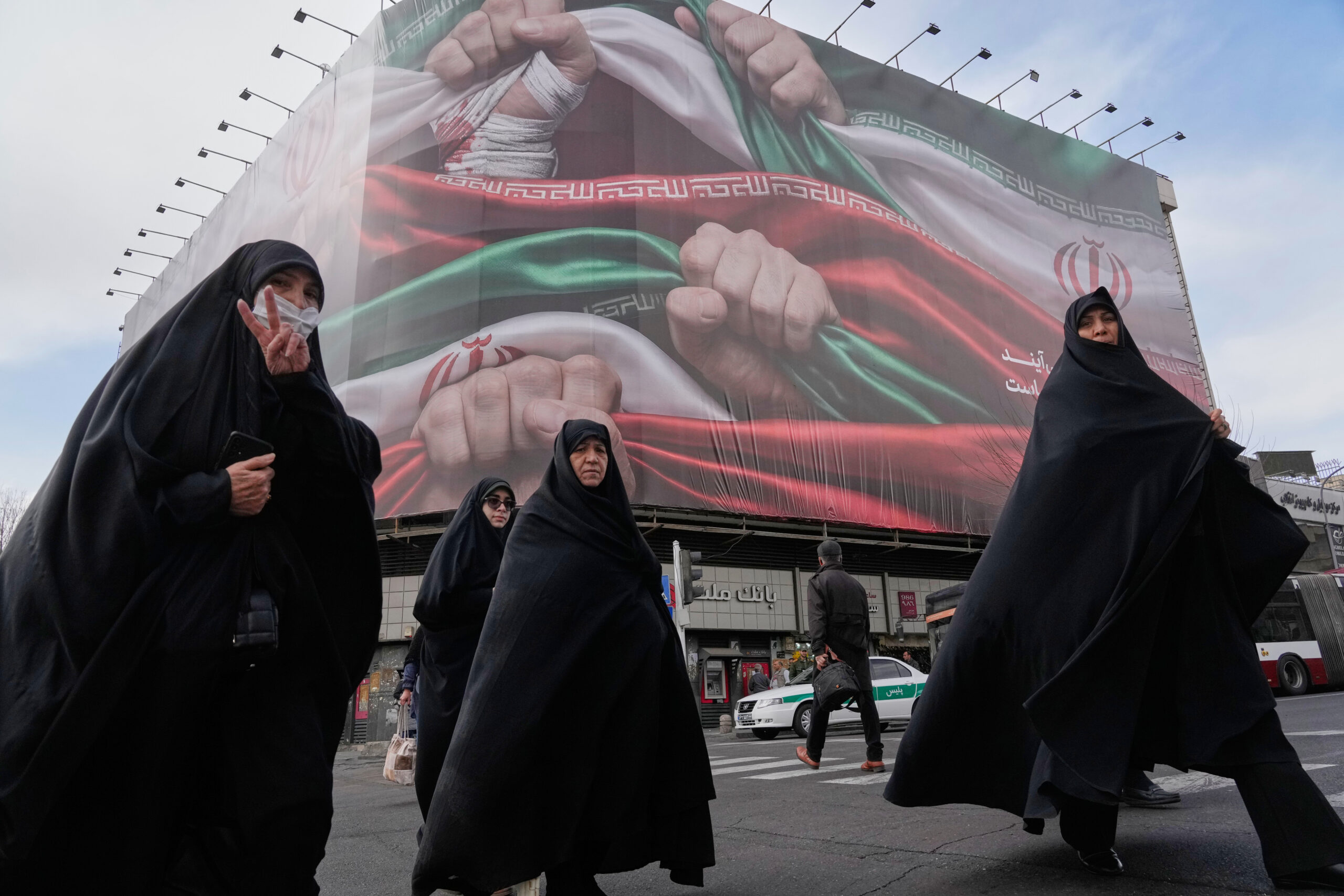
View AllGulf Maritime Security: Balancing Partnership and Flexibility
Gulf states are increasingly influential, though still cautious, actors in the region’s evolving maritime security landscape.

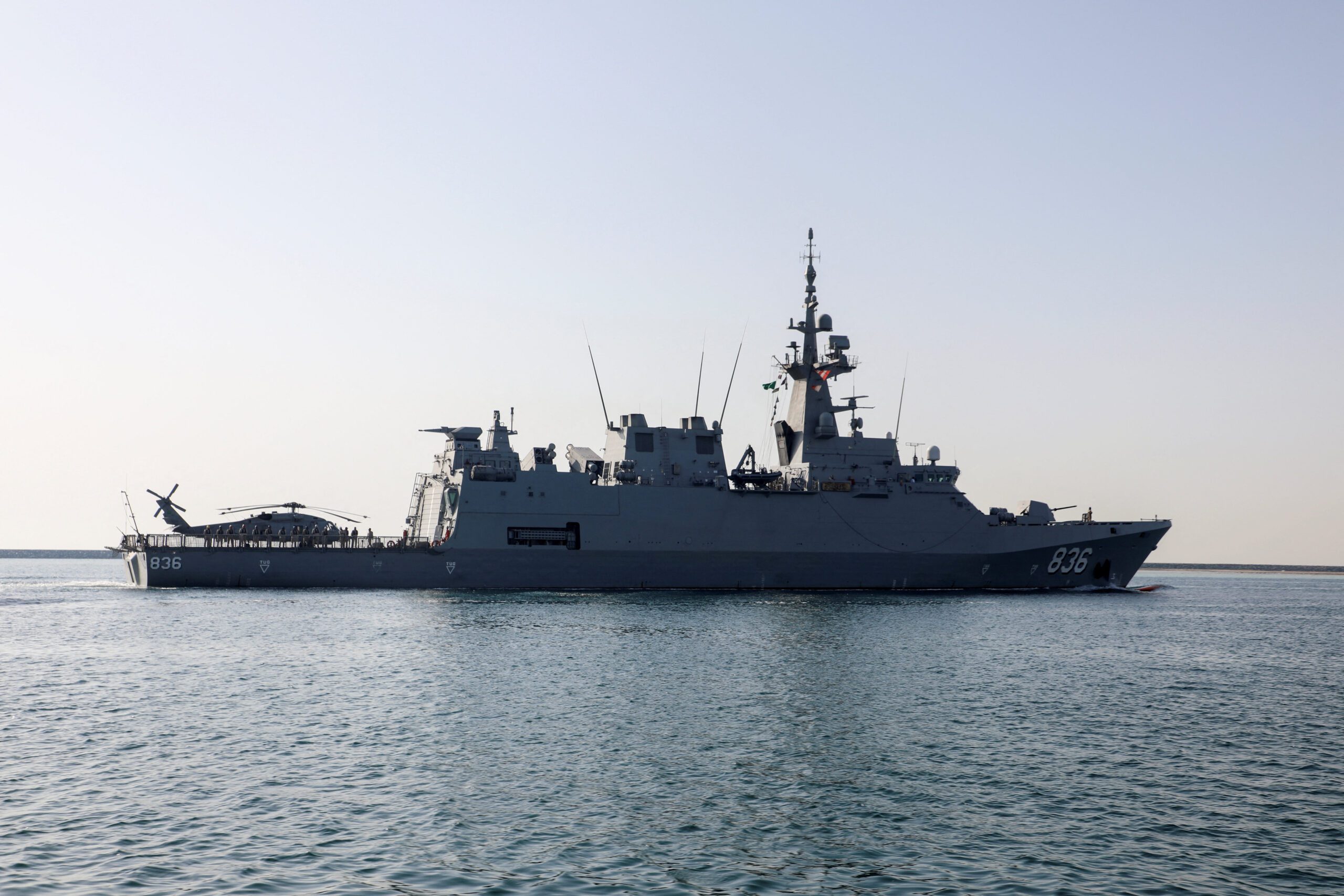
Iraq’s Post-Election Impasse: Sovereignty, Power, and the Impact of External Vetoes
The government-formation crisis is a test of whether Iraq can assert genuine sovereignty in a system still shaped by foreign influence, factional vetoes, and constitutional loopholes.
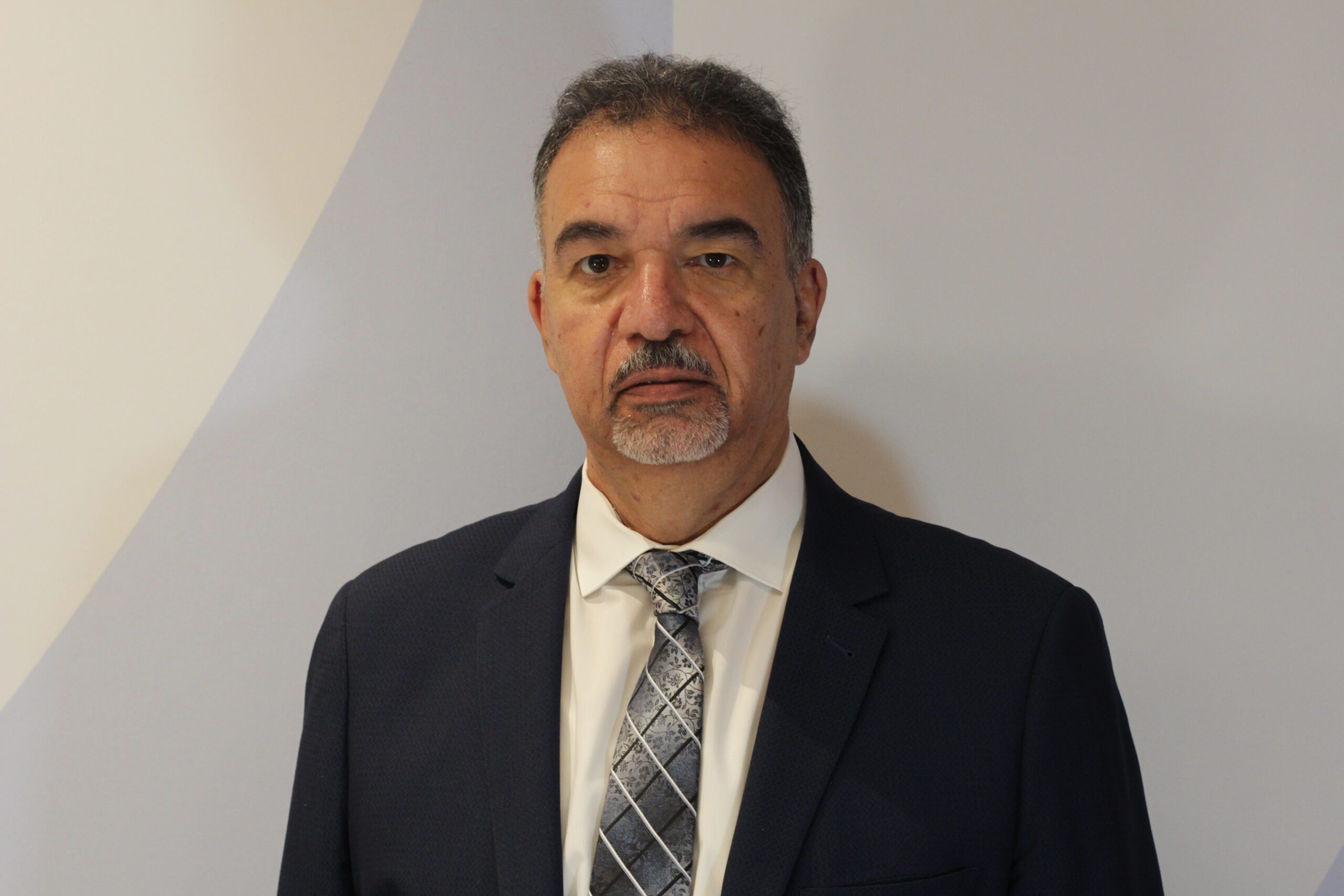
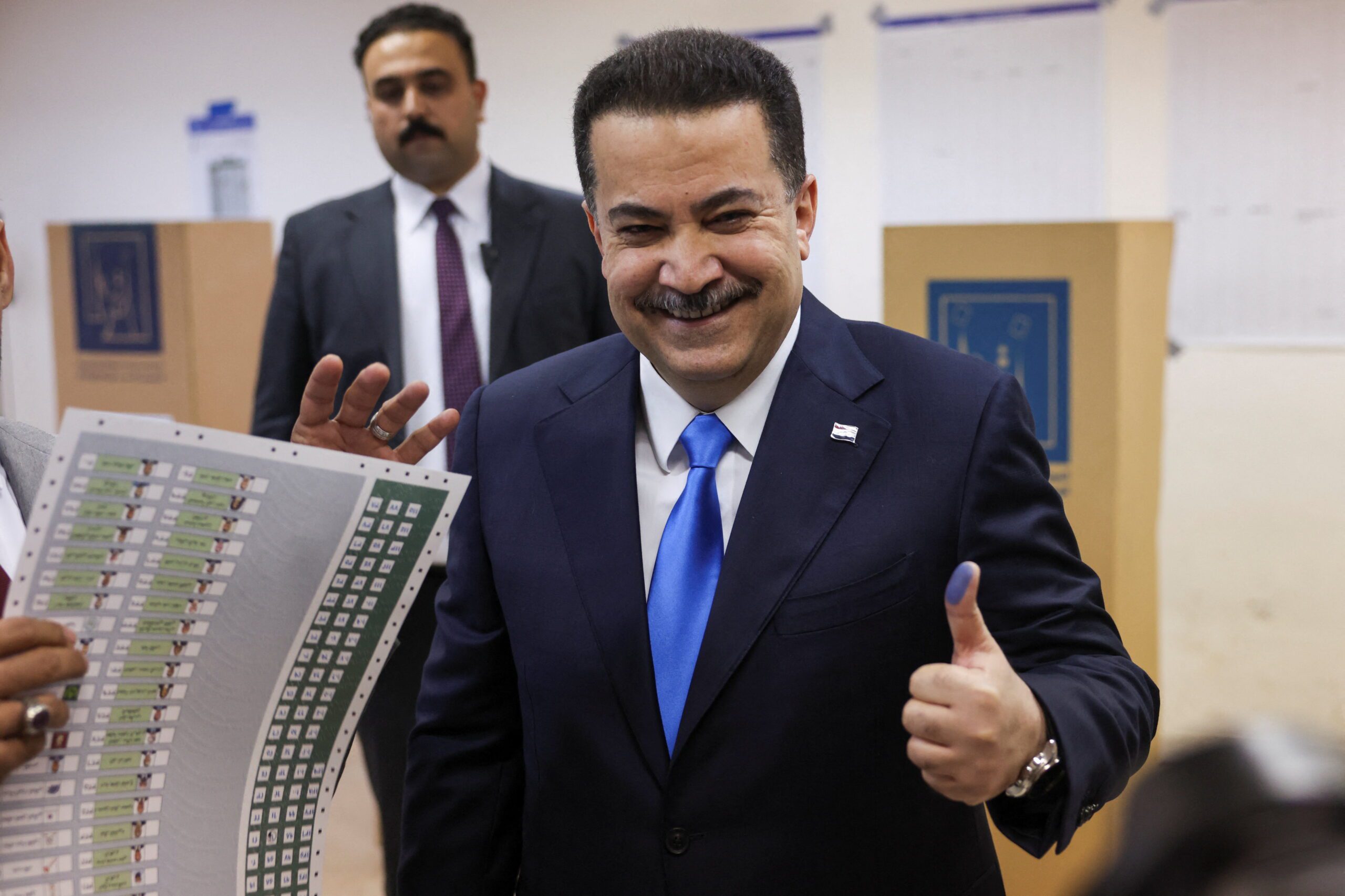
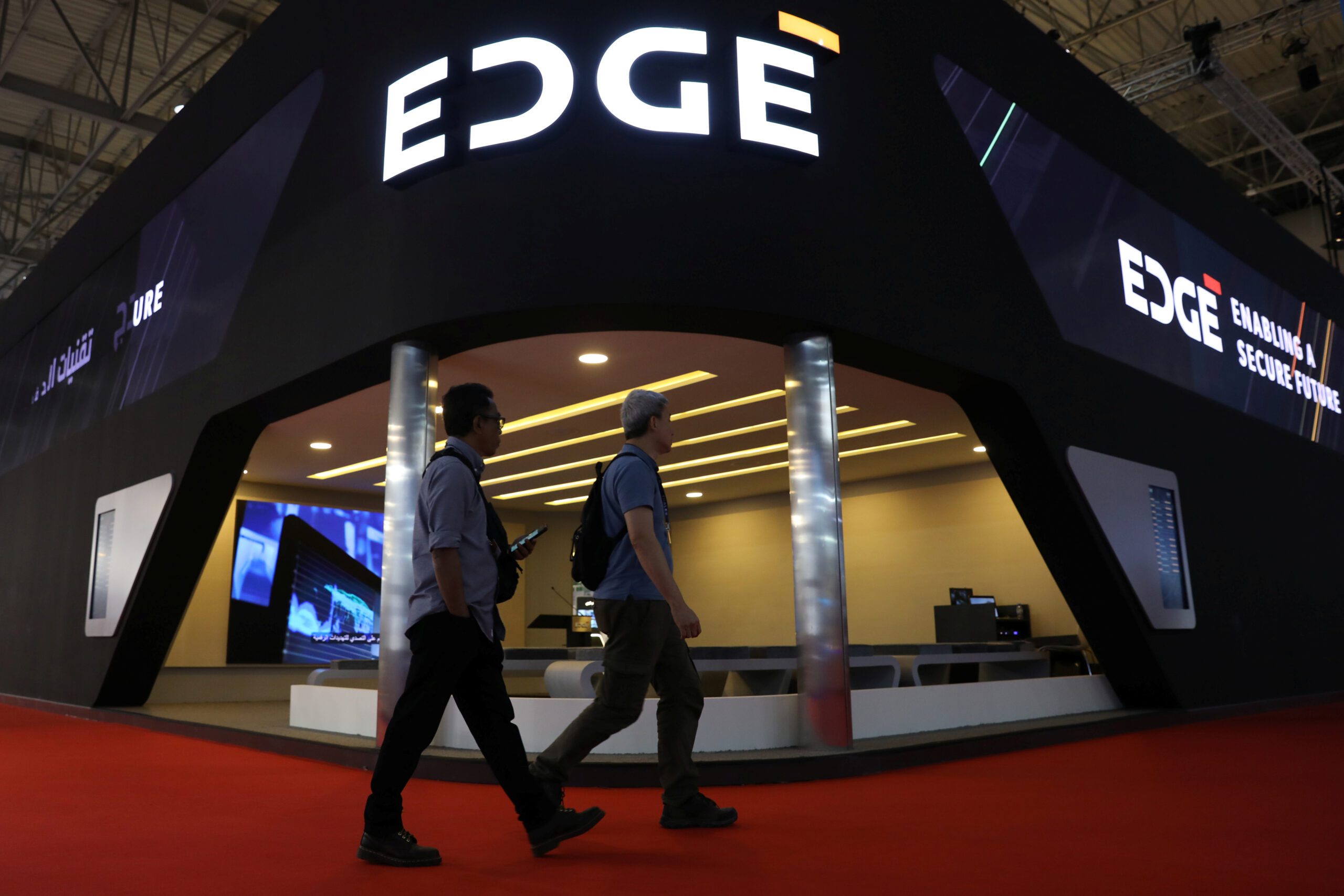
A Tentative Trust: What the Barzan-EDGE Deal Reveals About Gulf Reconciliation
As Gulf states pursue economic diversification and knowledge economies less dependent on resource extraction, the logic of competition may be becoming less compelling and the benefits of coordination more apparent.

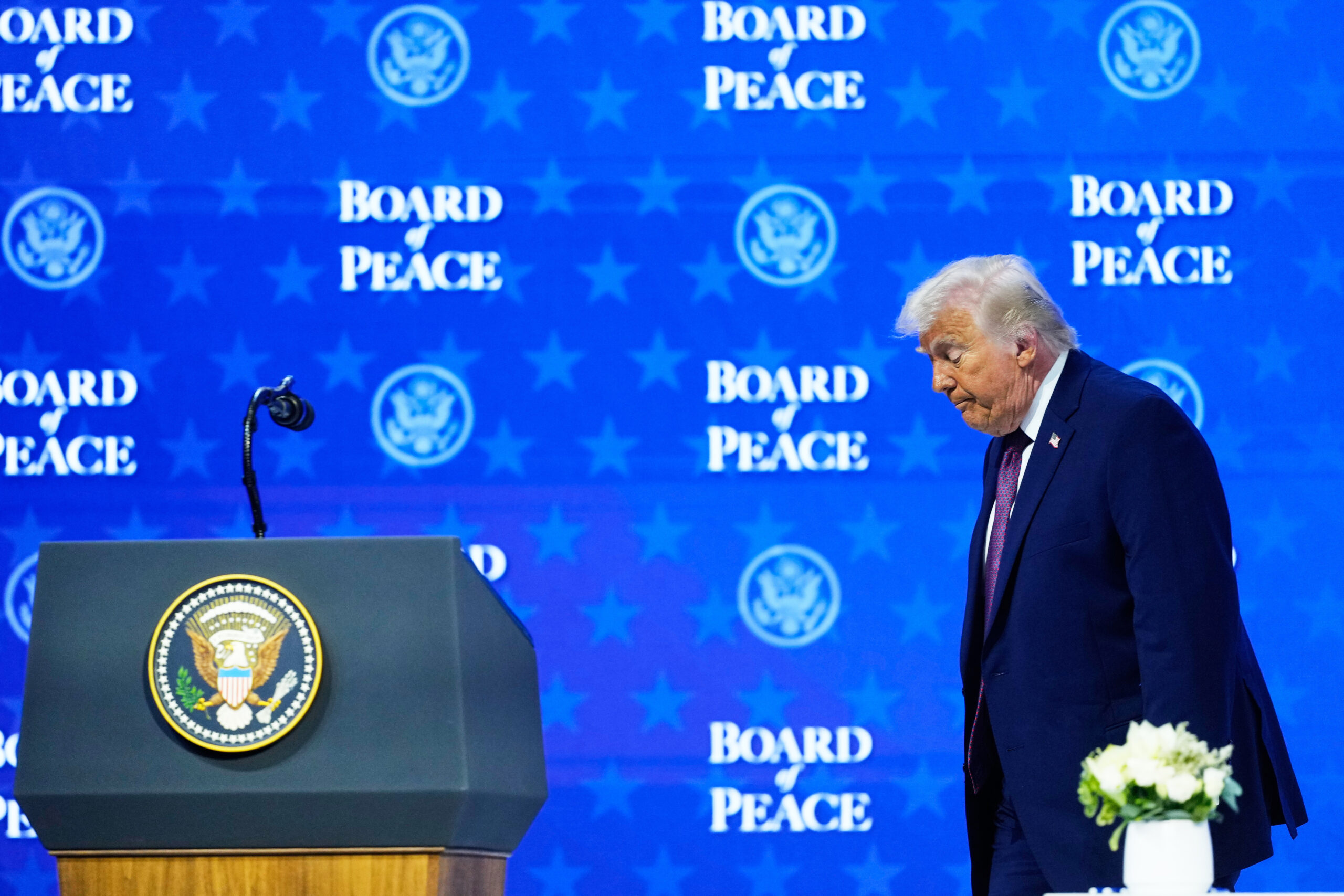
Gulf States on the Frontline of U.S.-Iran Volatility
From a Gulf perspective, red lines keep being crossed, and the guardrails for avoiding entanglement in conflict prove unsatisfactory.

Jan 30, 2026
The Specter of War Over Iran
The January 30 edition of the Iran Media Review examines Iranian responses to an expanded U.S. military presence in the Gulf.


Jan 27, 2026
Iran’s State-Censored Media Reacts to Maliki’s Return to Power in Iraq
The January 27 edition of the Iran Media Review analyzes Iranian media reactions to an announcement that Nuri al-Maliki is likely to return as Iraq’s prime minister.
Jan 23, 2026
Government Claims 3,117 Dead in Iran Protests
The January 23 edition of the Iran Media Review examines a government statement on the death toll for the protests in Iran.
Jan 20, 2026
Defiant Khamenei Blames Trump for the Protests
The January 20 edition of the Iran Media Review examines a speech by Ayatollah Ali Khamenei blaming the United States for recent protests in Iran.
Putting the 2026 Saudi Budget Under the Microscope
The Saudi government projects that the budget deficit will narrow during 2026-28, but this will depend on a rebound in oil prices and tight control of spending.

Nov 19, 2025
The Saudi Trade and Investment Commitment to the United States in Perspective
The $1 trillion Saudi trade and investment commitment to the United States will be extremely difficult to achieve given the size of the Saudi economy and its current financial situation.
Jul 1, 2025
The IMF Comments on the Saudi Economy and Policy Framework
The International Monetary Fund continues to endorse the direction of economic reform in Saudi Arabia but notes that risks from oil price uncertainty and strong credit growth will need to be carefully managed to keep the economy on a strong growth trajectory.
Apr 23, 2025
Saudi Current Account in Deficit in 2024 Despite High Oil Prices
The Saudi current account moved into a small deficit in 2024 despite oil prices of $80 per barrel. A return to a surplus is unlikely unless oil revenue moves sharply higher.
Ammar Alsabban: Superman With a Saudi Accent
With passions as diverse as puppetry, podcasting, and superheroes, Ammar Alsabban is redefining the creative limits of Saudi identity.


Rahina: A Jeweler’s Ode to Dhofari Heritage
Through Rahina, Fatma al-Najjar is exploring her Dhofari heritage and tapping into ancestral memories, one piece of jewelry at a time.
10 min read


Independent Researchers Are Advancing UAE History on Social Media
Independent researchers and informal collaboratives have been connecting through social media to fill in gaps in popular knowledge of the United Arab Emirates’ pre-state era.


Manama Story: Preserving the Soul of the City
The Manama Story project seeks to preserve the history of the Bahraini city, one archive at a time.


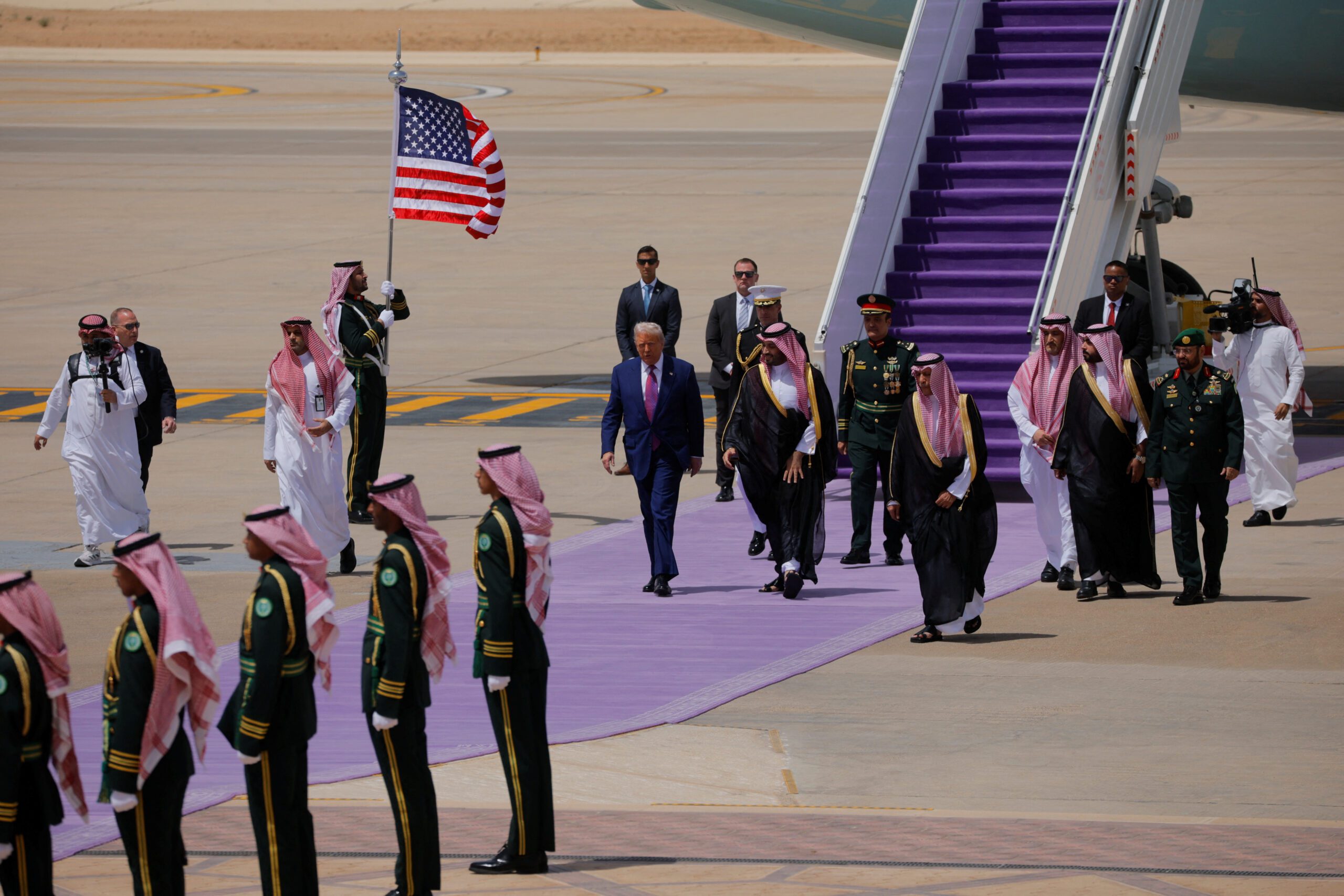
A New Gulf Partnership
In May, President Donald J. Trump embarked on a trip to the Gulf that signals a new era in U.S.-Gulf relations. AGSI's A New Gulf Partnership series explores the ways U.S. strategic relations with these countries are evolving and offers policy recommendations for the U.S. administration to maximize political and economic influence.
Nov 13, 2024
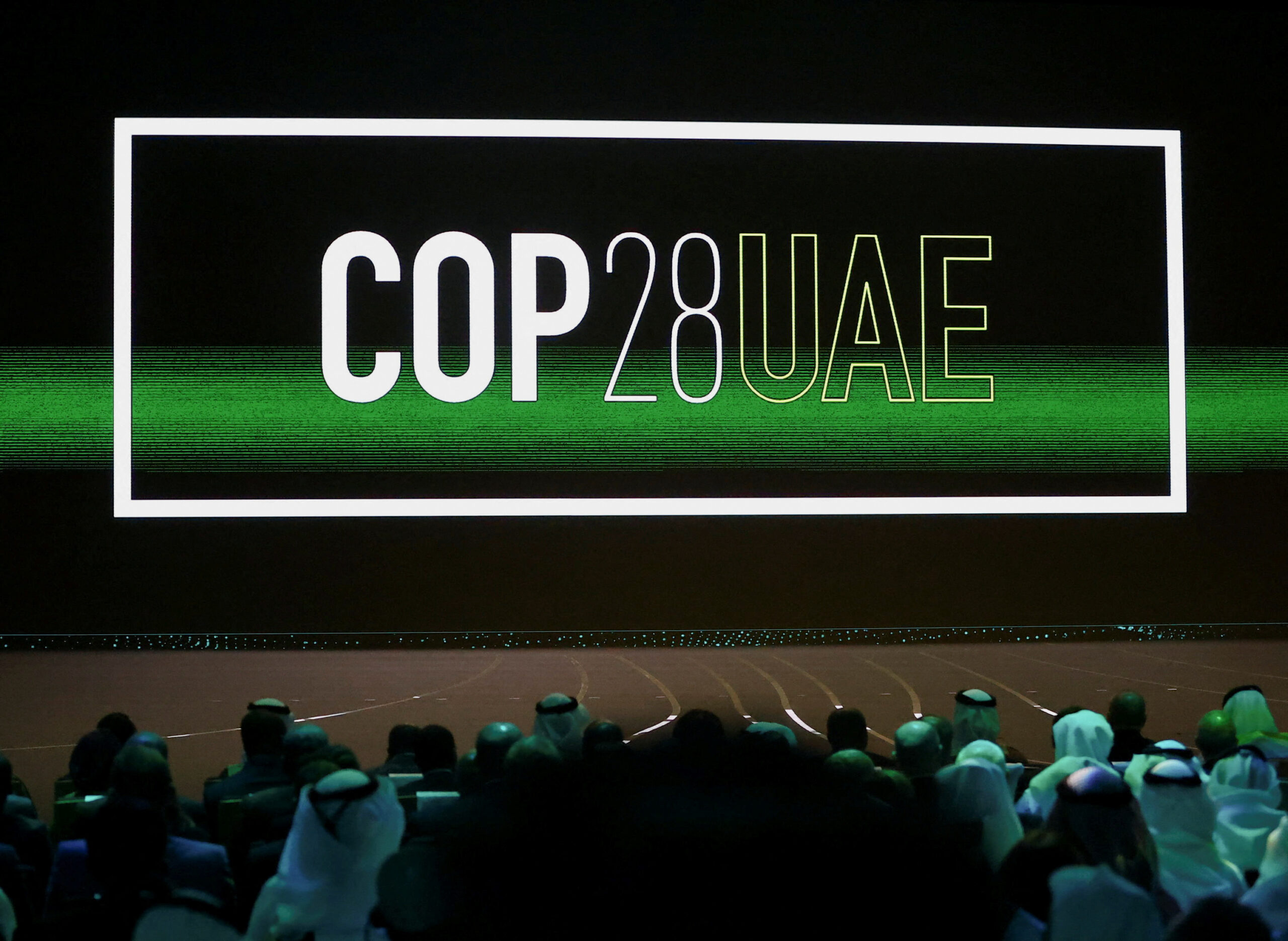
Energy and Climate Initiative
AGSIW’s Energy and Climate Initiative explores Gulf energy and climate policies, technological advances, and pressing political, social, and environmental issues ahead of COP28.
Nov 5, 2024
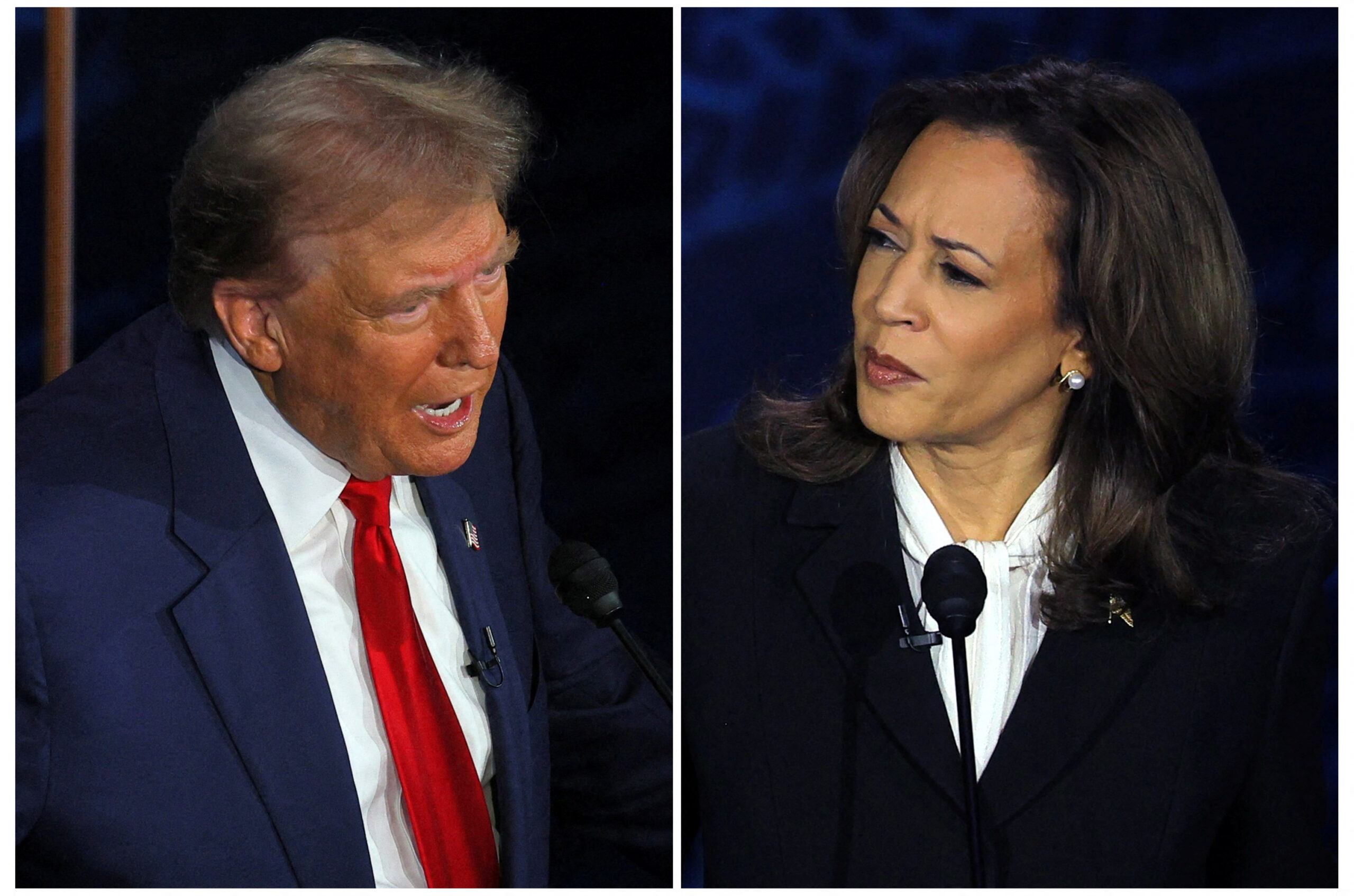
U.S. Presidential Election
AGSIW’s U.S. Presidential Election series explores Gulf perspectives on the 2024 election and considers how the election results may shape the future of U.S. engagement in the Gulf region.
Sep 6, 2024
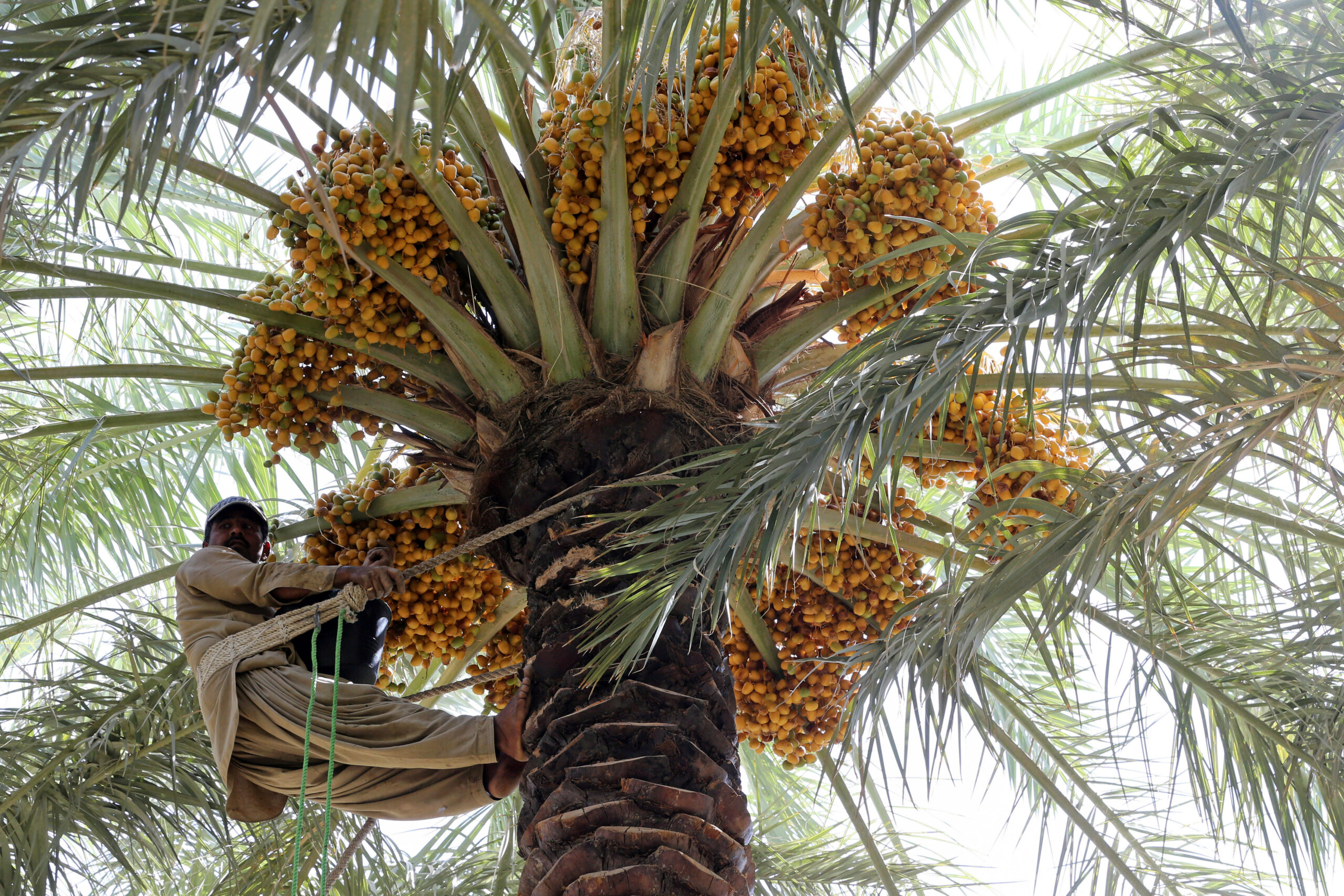
Trees of the Gulf
This series looks at the vital role certain trees play in the region's collective memory, survival, and plans for the future.
All Analysis
Gulf Maritime Security: Balancing Partnership and Flexibility
Gulf states are increasingly influential, though still cautious, actors in the region’s evolving maritime security landscape.
Iraq’s Post-Election Impasse: Sovereignty, Power, and the Impact of External Vetoes
The government-formation crisis is a test of whether Iraq can assert genuine sovereignty in a system still shaped by foreign influence, factional vetoes, and constitutional loopholes.
A Tentative Trust: What the Barzan-EDGE Deal Reveals About Gulf Reconciliation
As Gulf states pursue economic diversification and knowledge economies less dependent on resource extraction, the logic of competition may be becoming less compelling and the benefits of coordination more apparent.
Gulf States on the Frontline of U.S.-Iran Volatility
From a Gulf perspective, red lines keep being crossed, and the guardrails for avoiding entanglement in conflict prove unsatisfactory.
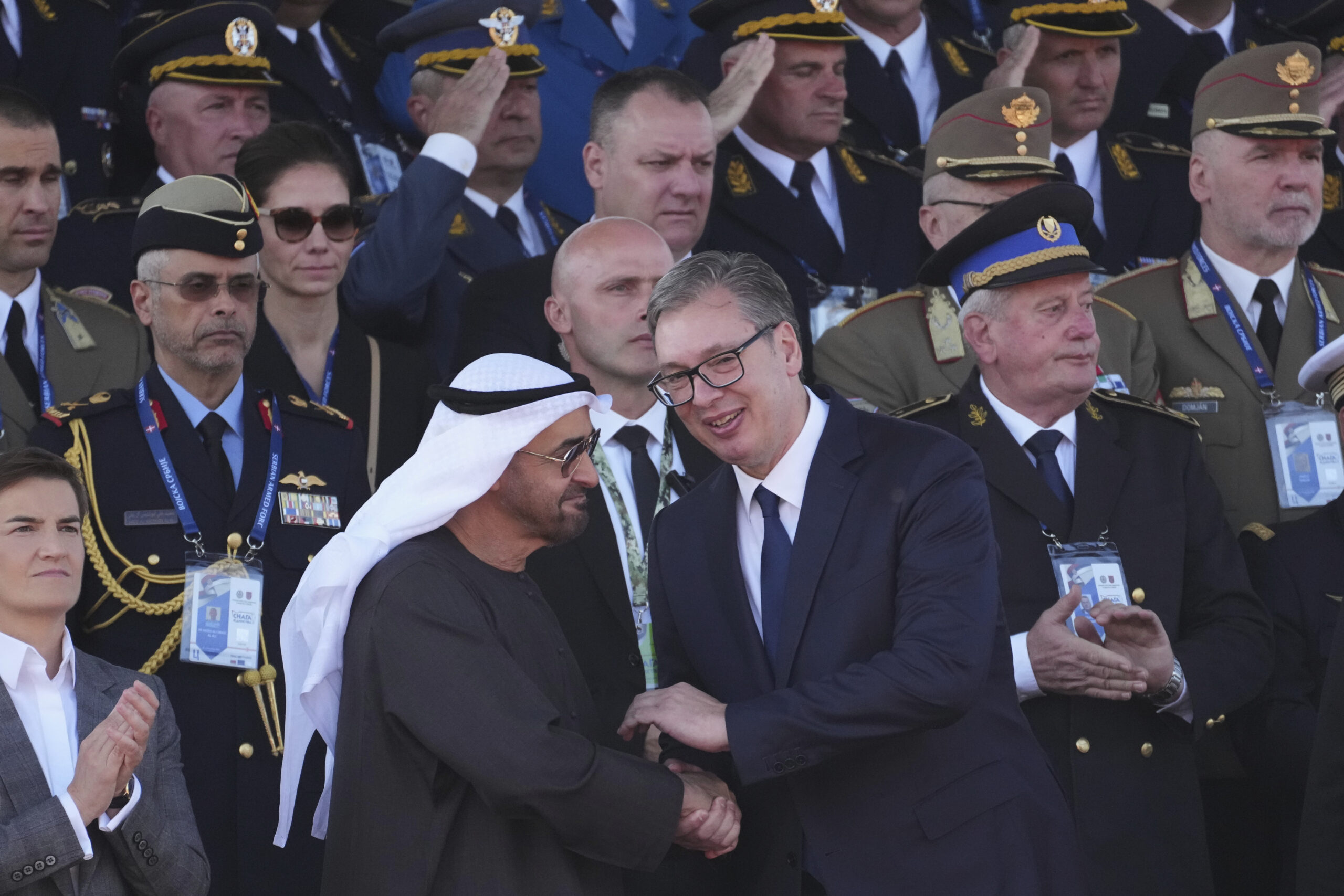
How the UAE Became Serbia’s Most Important Arab Partner
Through its increasing ties with Serbia, the UAE has secured a lasting strategic foothold in the Western Balkans, and Serbia has gained an influential Arab partner that is likely to remain central to Belgrade’s multipolar foreign policy calculus.

The Architecture of Iran’s Digital Repression
The Iranian regime’s internet censorship and shutdowns function as comprehensive weapons of political warfare, designed to isolate, demoralize, and ultimately suppress dissent.